
Classic and Collector Car Transport: Loading and Insurance
A pre-war roadster or older collector's saloon can present different loading needs from a modern sports car. It may fail to start, overheat during slow manoeuvring or leak fluid. Original paint, chrome and wire wheels require particular care.
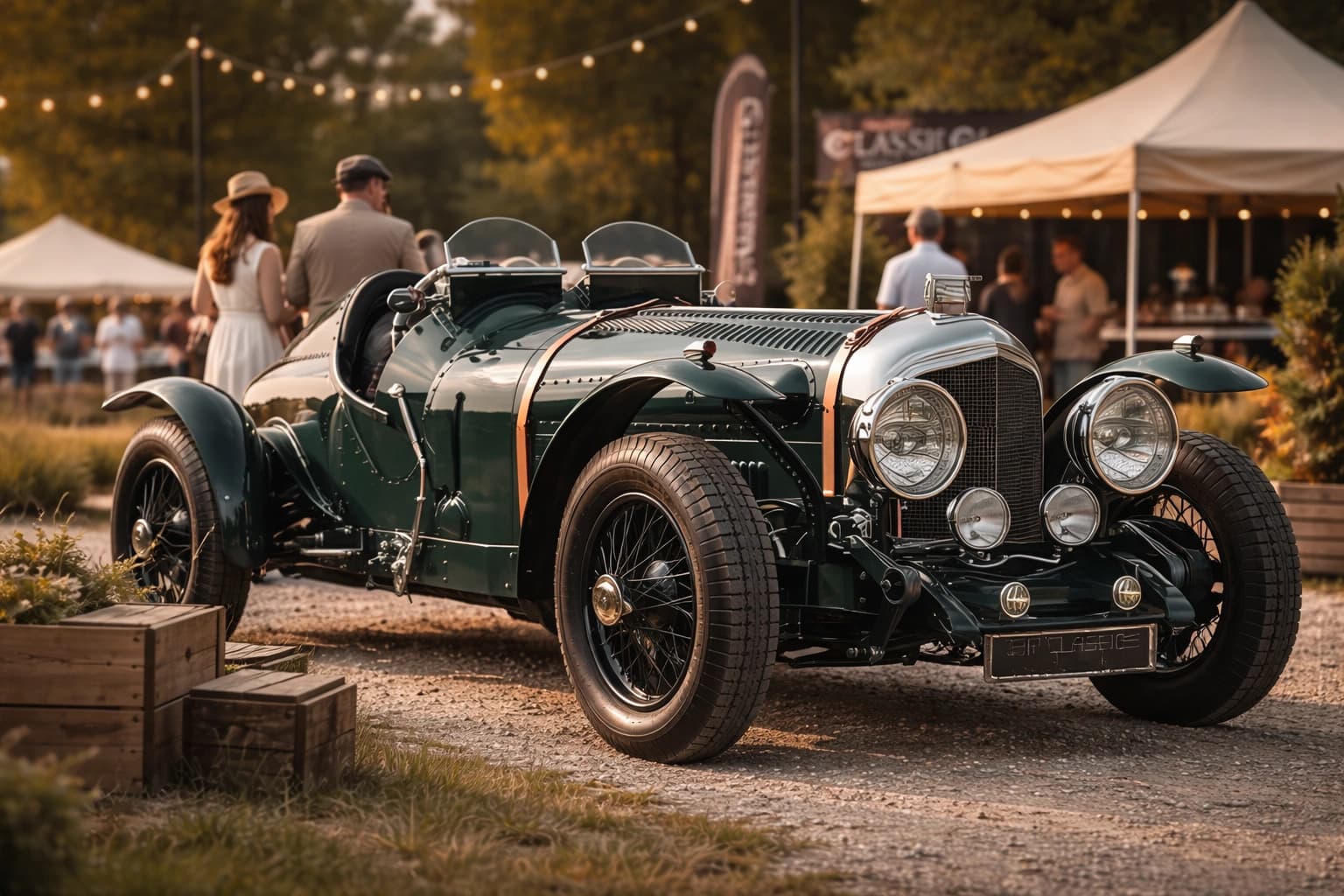
A pre-war roadster or older collector's saloon can present different loading needs from a modern sports car. It may fail to start, overheat during slow manoeuvring or leak fluid. Original paint, chrome and wire wheels require particular care.
Tell the planner about the car's condition and intended journey so loading, inspection, cover and any event or international arrangements can be checked.
Information about the classic car
Explain the brakes, cooling and running condition. After storage, starting or braking may be less reliable than on a modern car, and slow loading can expose cooling problems.
- Whether it starts, brakes reliably and has a functioning parking brake.
- Oil, coolant or fuel leaks.
- Pressed-steel or wire wheels and tyre condition.
- A soft top, removable glass or projecting lamps, mirrors and badges.
- Dimensions and weight, including long bodywork, wide wings and external spare wheels.
Loading and securing a collector's car
Load at minimal speed with clearances monitored from outside. A winch can be arranged for a non-running vehicle or uncertain brakes. A suitable hydraulic lift raises the car horizontally, helping with long overhangs.
Use soft wheel straps and wheel stops rather than attaching to old frames, bumpers, suspension arms or towing fittings. Old metal may be weakened and chrome surfaces vulnerable.
On wire wheels, the strap rests over the tyre without contacting spokes or rim; it is not threaded through spokes.
- Check tyre pressure so the strap sits on a properly inflated tyre.
- Agree an absorbent mat or tray for leaks to keep fluid off the carrier floor.
- Record soft-top position and removable components; list separately handed-over parts in the report.
More about the service: Luxury car transport.
Why use an enclosed body
Original paint, chrome, leather and soft tops can be vulnerable to rain, road salt, UV and grit. An open roadster also has an exposed cabin on an open platform. Original finishes can be difficult to restore without affecting value.
An enclosed carrier separates the car from direct road and weather exposure and conceals it in transit. Winter salt matters particularly for older metal without modern corrosion protection.
Condition records and insurance
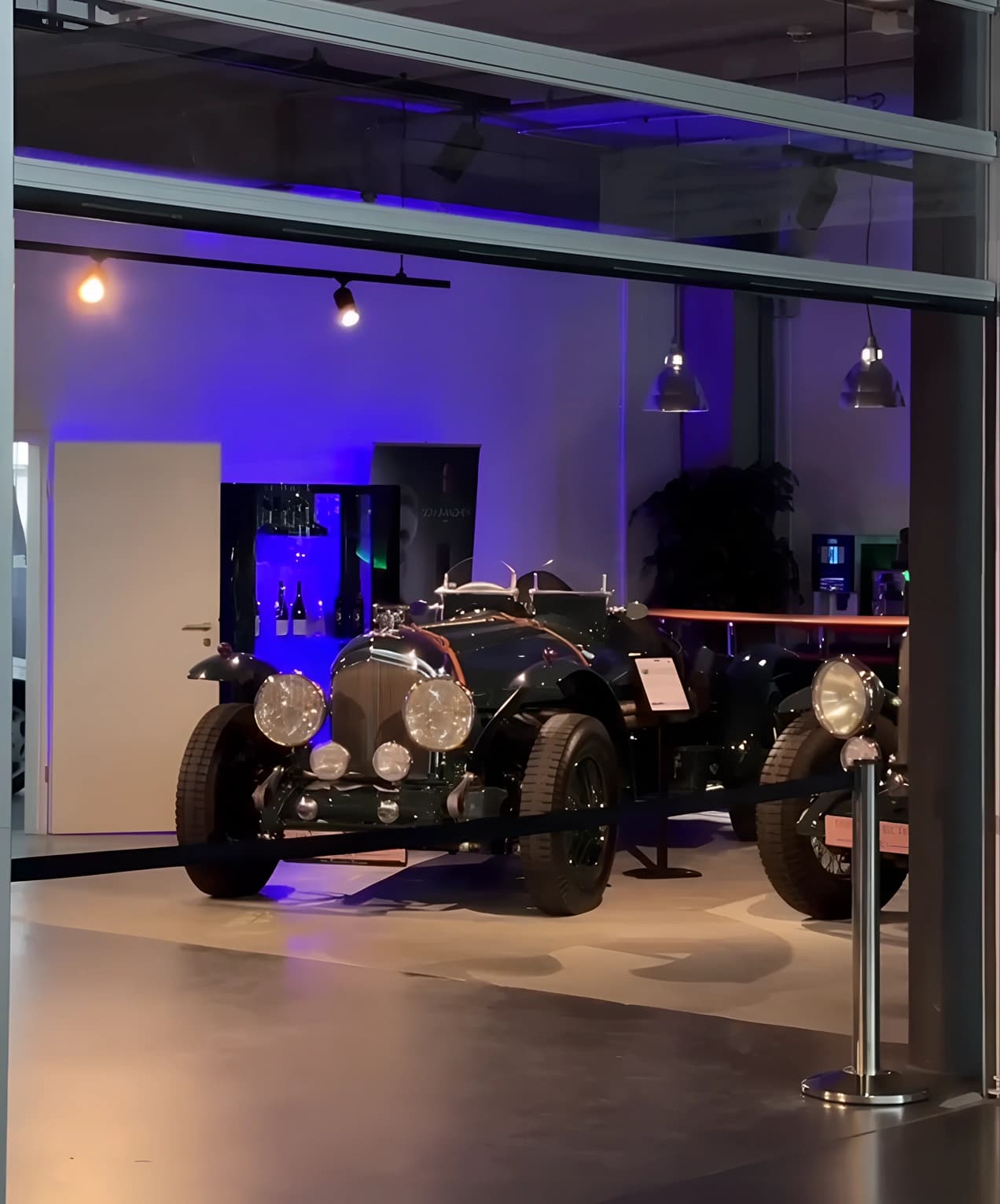
Inspect and photograph every side before loading. Record existing chips, paint cracks, chrome wear and interior condition. At delivery, compare the vehicle with the collection report and images.
Owners can also retain close-ups of existing marks, the dashboard and odometer to supplement the handover record.
Our CMR carrier liability cover has a limit up to €400,000. Agree the value of a collector's vehicle before transport and provide a valuation, expert report or purchase evidence where available. Discuss insurance separately if the value exceeds the limit.
Exhibitions and restoration workshops
A classic may travel to an exhibition, concours, museum, new owner or restoration workshop. Events impose admission, setup and unloading windows. Plan around those rules, and consider a dedicated booking for a fixed date. Smaller vans may reach urban sites inaccessible to larger trailers after access checks.
Fresh restoration work also benefits from enclosed transport before owner handover. Agree return transport in advance for an event in another city.
International transport of a rare vehicle
Classic vehicles can travel on international directions including Belarus, Georgia, Armenia and Europe where the particular journey is permitted. Older or rare vehicles can require additional export or import documents and, in some cases, assessment relating to cultural value.
We check the actual vehicle, destination and required documents before calculation. Document and customs arrangements form part of the agreed international service.
Plan your car transport
Send photographs, running condition, wheel details, model, addresses and dates. We will discuss loading and cover for your classic.
Contact usFrequently asked questions
How are classic cars transported?
In an enclosed carrier with suitable driven or winch loading, soft wheel straps, stops and inspection records at collection and delivery.
Can a non-running classic be transported?
Discuss winch loading before quoting so appropriate equipment can be provided.
How are wire wheels secured?
A soft strap sits over the tyre without contacting the spokes or rim. Bodywork and suspension are not used as securing points.
How is a collector's car insured?
Our CMR carrier liability limit is up to €400,000. Agree vehicle value and provide valuation evidence before booking.
Can delivery fit an exhibition window?
Agree site rules and arrival timing before booking, using a suitable dedicated or express arrangement where needed.
What paperwork is needed abroad?
It depends on age, rarity, registration and destination. The planner checks the specific vehicle before calculation.