
Car Transport Inspection Report: Photos and Condition Notes
A car transport inspection report records the vehicle's condition at handover. Together with photographs, it gives the sender and recipient the same reference: existing marks, items handed over with the car and the areas to check at delivery.
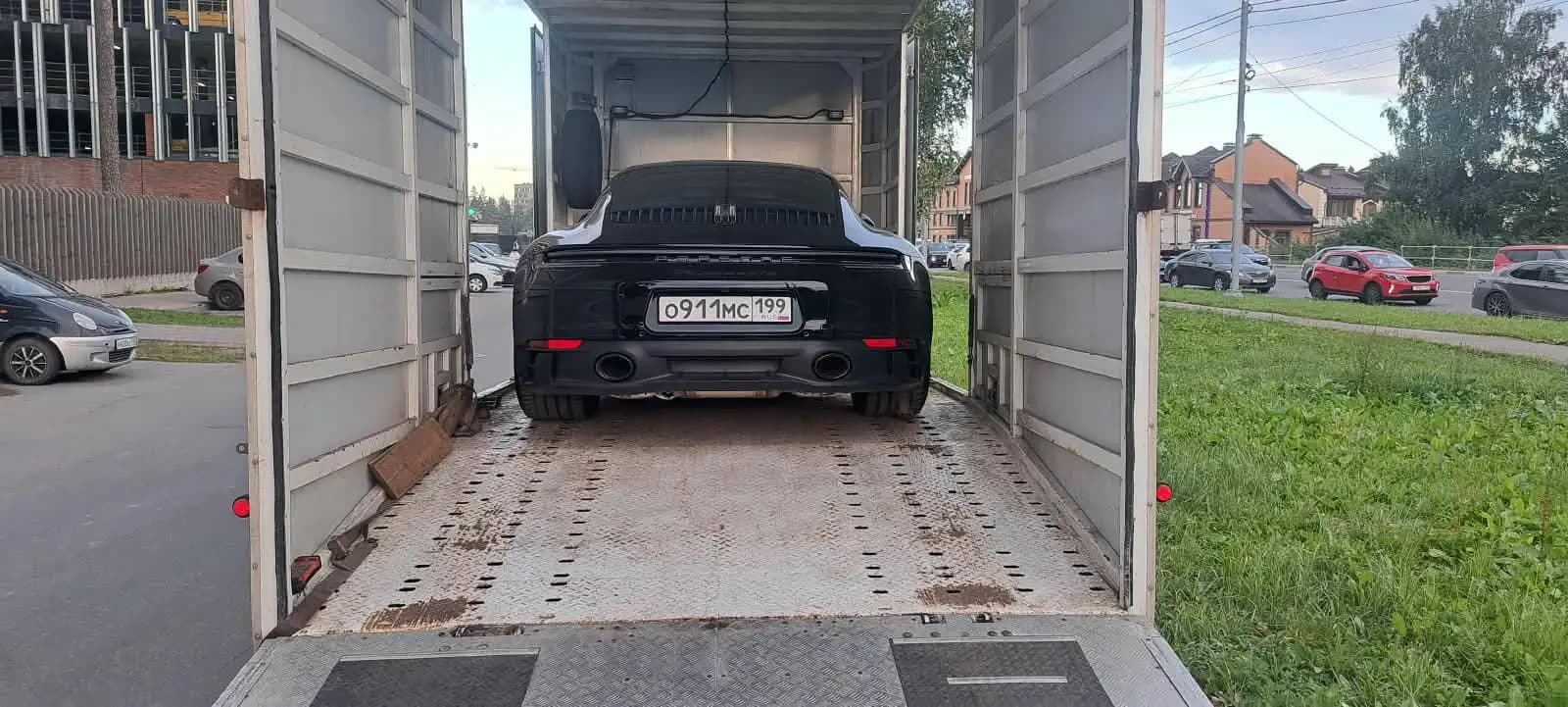
A car transport inspection report records the vehicle's condition at handover. Together with photographs, it gives the sender and recipient the same reference: existing marks, items handed over with the car and the areas to check at delivery.
Arrange the inspection before loading, while all sides of the car are accessible. Agree time for it with whoever releases the vehicle. If that person is a seller or representative, give them the inspection arrangements and planner's contact before the carrier arrives.
What to include in the inspection report
Identify the car and handover clearly: model, vehicle identifier, place, date and people taking part. Agree the report format and fields with the carrier before the appointment. If a representative releases the car, confirm their details and required documents in advance.
Describe observations so someone else can locate them without your explanation. Instead of 'scratches on the body', identify the panel, side and a reference point, such as a mark beside the handle on the right rear door. Use the location of a particular mark wherever it can be recorded.
- Match the vehicle details to the booking.
- Record visible observations on bodywork, glass and wheels.
- List the keys, documents and agreed accessories handed over.
- Agree how the sender and recipient will receive the records and photographs.
Inspecting the bodywork and glass
Walk around the car in available light. Check bumpers, doors, wings, roof and visible exterior fittings. On a low car, give particular attention to the lower front bumper edge and side skirts; some areas become harder to see after loading.
Dirt, snow and reflections can hide small marks. Discuss and record any area that cannot be assessed. A photograph of a dirty panel cannot establish the condition underneath. Describe only the parts that were accessible for inspection.
More about the service: Enclosed car transport.
Photographs to take before loading
Start with overall views from the front, rear and both sides. Photograph the corners and any marks found. For each observation, two views help: a wider image locating it on the car and a close-up showing the mark. The recipient can then compare the images with the vehicle.
Keep original files where available. Compressed pictures forwarded through a messenger can lose detail. Agree how the images identify this handover and where the recipient can open them. Checking access before departure is easier than searching for files while collecting the car.
Recording wheels and completeness
Photograph each wheel with the rim visible. Record marks on the rim and other observations you can inspect. Tell the carrier about non-standard wheels before booking: the details help with both vehicle selection and securing arrangements.
List the keys, documents and agreed accessories separately. 'Complete set' can mean different things to different people. A key count and an explicit list are easier to verify at delivery. Agree arrangements for belongings in the car beforehand.
When a seller or representative releases the car
A buyer in another city may not attend the inspection. Decide who releases the car, who answers questions about its condition and who receives the photographs. Give the seller the carrier's contact and confirm the appointment with both parties.
A transport inspection records visible condition at handover. A technical inspection before purchase is a separate arrangement. Questions about the engine, servicing or hidden defects should be addressed with the seller before dispatch; bodywork notes do not answer those questions.
Comparing the report at delivery
Open the collection photographs before meeting the carrier and check that they show the right vehicle. Inspect the same areas: overall condition, recorded observations, wheels and visible exterior parts. Following the original inspection order helps avoid missing a side.
If you see a difference, photograph the area in a wider view and a close-up and discuss it with the carrier's representative. Record the observation in the handover documents. Establish the cause and next steps using the facts and the particular contract, without substituting a guess for a description.
Keeping the records accessible to the recipient
After inspection, check that everyone who needs the photographs and records can access them. Keep them in one folder or conversation labelled with the car and handover date. Do not mix files from several similar vehicles. The recipient should be able to connect each note to its image.
Open some files on the recipient's phone or ask them to check access. Save copies ahead of time if reception at the destination may be poor. Keep the completeness list separately: keys and documents are easier to check against a short list than a long conversation. Add delivery records to the same collection.
Inspection with Elite Car Delivery
At collection and delivery, we inspect the vehicle, photograph it from all sides and prepare inspection reports. Send the model, addresses and preferred date to discuss a booking. If a seller releases the car, provide their contact and site access hours in advance.
We carry the vehicle in an enclosed body, using soft wheel straps and wheel stops. GPS tracking is available during the journey. Discuss transport and handover together so the recipient knows when to meet the carrier and which records to prepare.
Plan your car transport
Send the model, collection and delivery addresses and preferred date. We will prepare a calculation within 15 minutes once the details are available and agree the inspection arrangements.
Contact usFrequently asked questions
When is the inspection report prepared?
Condition is recorded at handover before loading and checked at delivery. Agree the format, participants and access to photographs before the appointment.
Is one photograph enough?
One view cannot show every side. Take overall views and separate images of observations, wheels and other agreed areas.
Can the owner be absent?
Agree handover through a seller or representative in advance, including their contact, documents and where inspection records will be sent.
What if the car differs from the photographs?
Photograph the area, discuss it with the carrier and record the observation during handover. Further steps depend on the circumstances and contract.