
Winter Car Transport: Protection and Preparation
Winter open-carrier journeys can expose a car to salt-laden road spray for several days and snow at stops. The considerations extend beyond the dust and insects of summer transport.
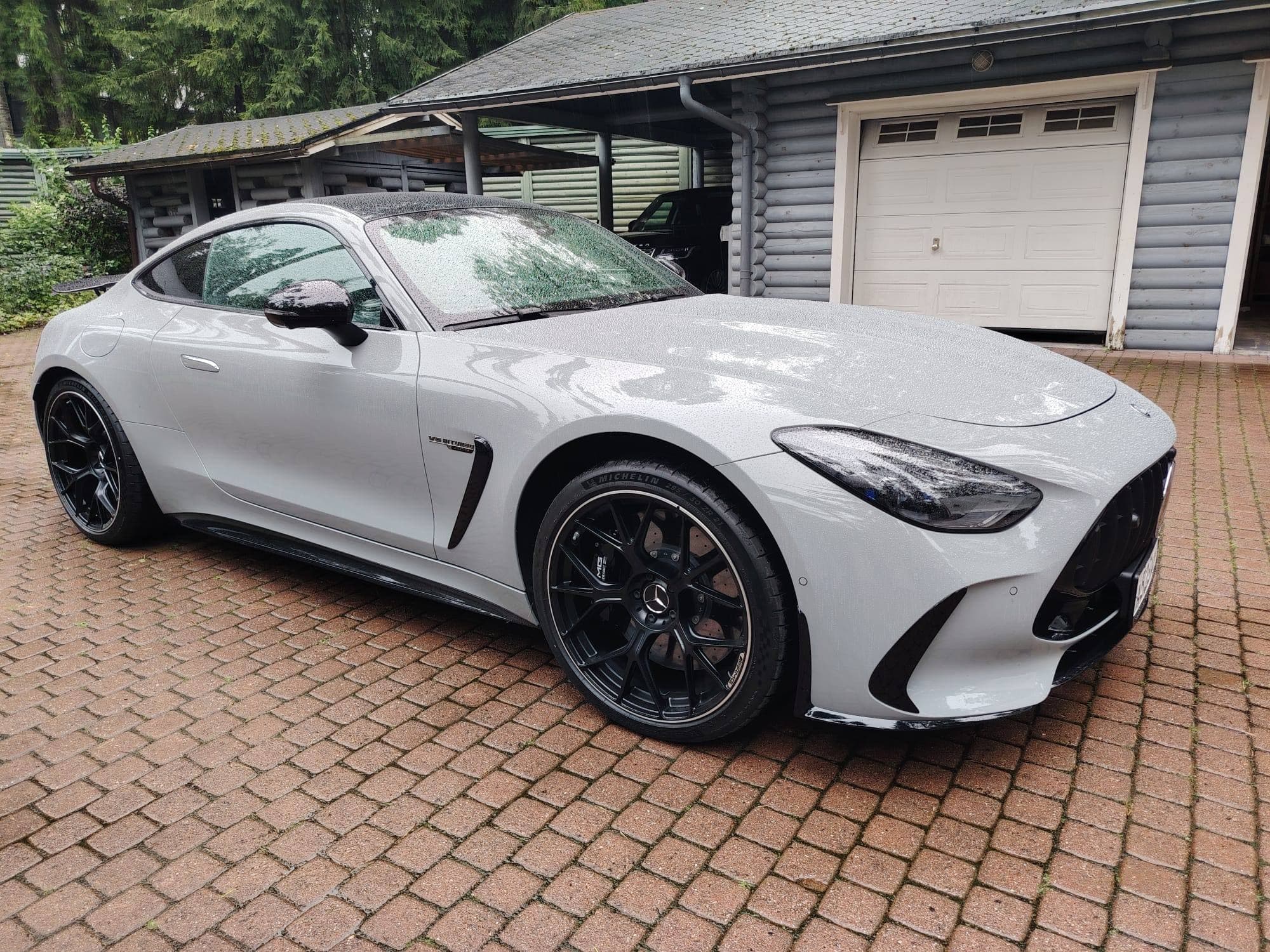
Winter open-carrier journeys can expose a car to salt-laden road spray for several days and snow at stops. The considerations extend beyond the dust and insects of summer transport.
Here is what an enclosed body changes, which cars benefit and what to prepare before a cold-weather collection.
Winter road exposure on an open platform
De-icing chemicals, sand and dirt enter the spray from passing trucks and can settle on an exposed vehicle throughout a multi-day journey.
Salt exposure can contribute to corrosion and affect lower bodywork, sills, chrome, alloy wheels, brakes and underbody components. Grit can also mark paint and glass.
A wash removes surface dirt but may not reach salt in seams and cavities. Consider the vehicle's finish and condition before choosing an exposed journey.
What an enclosed body changes
Solid walls and a roof separate the vehicle from direct snow, road spray, sand and debris. The car is concealed when the body is closed.
This can matter for a dealer handover, showroom car, detailing work, protective film or fresh paint.
- Avoids direct road-salt spray on the vehicle.
- Provides a barrier against road grit.
- Shields the car from snow at stops.
- Conceals the vehicle from outside view.
More about the service: Enclosed car transport.
Cars that particularly benefit in winter
A sports car or convertible on summer tyres needs a suitable transport arrangement rather than a winter drive to the destination.
- A new purchase collected from another city.
- Seasonal moves to Sochi, Crimea, Georgia or Armenia and back.
- Sports cars, classics and collector vehicles not intended for winter use.
- Cars with fresh paint, polishing, coatings or protective film.
- Vehicles without suitable winter tyres or with clearance unsuited to rutted snow.
Why schedules need allowance
Snow, ice and congestion can slow trucks. Mountain-pass closures and weather-dependent ferries can affect directions involving Upper Lars or the Kerch crossing.
We consider route weather when agreeing a schedule. A flexible loading window may allow departure to be adjusted around poor conditions.
Preparing for cold-weather loading
Use the usual preparation checklist with extra attention to starting, tyres and fluids.
- Check battery charge for loading and unloading; discuss any disconnection for a long shipment with the planner.
- For an electric car, retain enough charge to manoeuvre despite reduced cold-weather range.
- Use washer fluid suitable for the expected temperature.
- Check tyre pressures before wheel straps are applied.
- About a quarter tank is a common loading and unloading allowance; agree any route-specific requirement.
- Agree how to disable tilt and shock alarms without disabling access or starting.
Inspecting the car on arrival
Arrange daylight or a well-lit location. Frost and droplets can hide small marks, so compare all accessible areas with collection photographs before completing the handover record.
A car moved from cold air into a warm garage may develop condensation. Allow it to dry before covering it so moisture is not trapped.
Plan your car transport
Send the model, addresses and dates and mention summer tyres, low clearance or starting concerns. We will check the winter route and loading plan.
Contact usFrequently asked questions
Can cars travel by transporter in winter?
Yes. Agree a suitable carrier and weather allowance; an enclosed body avoids direct snow and road-salt spray.
What is the concern with an open carrier?
A multi-day journey exposes the car to winter road spray and grit, including areas that are difficult to clean.
How should a car on summer tyres travel?
Discuss an enclosed carrier and suitable loading rather than driving it on a winter road journey.
How much fuel should remain?
About a quarter tank commonly covers handling, subject to the booking requirements. Check the battery and winter washer fluid too.
Does winter add time?
It can add days depending on snow, ice, pass closures and ferry weather. Agree an allowance for the particular route.